Live Events
Brand Partnerships in China: Getting Real Value From Live Event Sponsorship

By
Percy Holtzman, Founder
09.02.26
/
4 min.
The Live Audience Here Is Also a Creator Audience, and That Changes the Whole Playbook
Live music in China has become one of the most interesting places a brand can put money. The audience is young, it is concentrated, it travels for shows, and it documents nearly everything it does. Total box office for large scale commercial performances reached 29.636 billion yuan in 2024, up 66 percent year on year, and state media reported those events were expected to drive over 200 billion yuan in related spending on transport, hotels, food and shopping. Cities are actively supporting events. The category is pointed firmly upward.
The brands getting the most out of it are doing a few specific things, and they are worth spelling out.
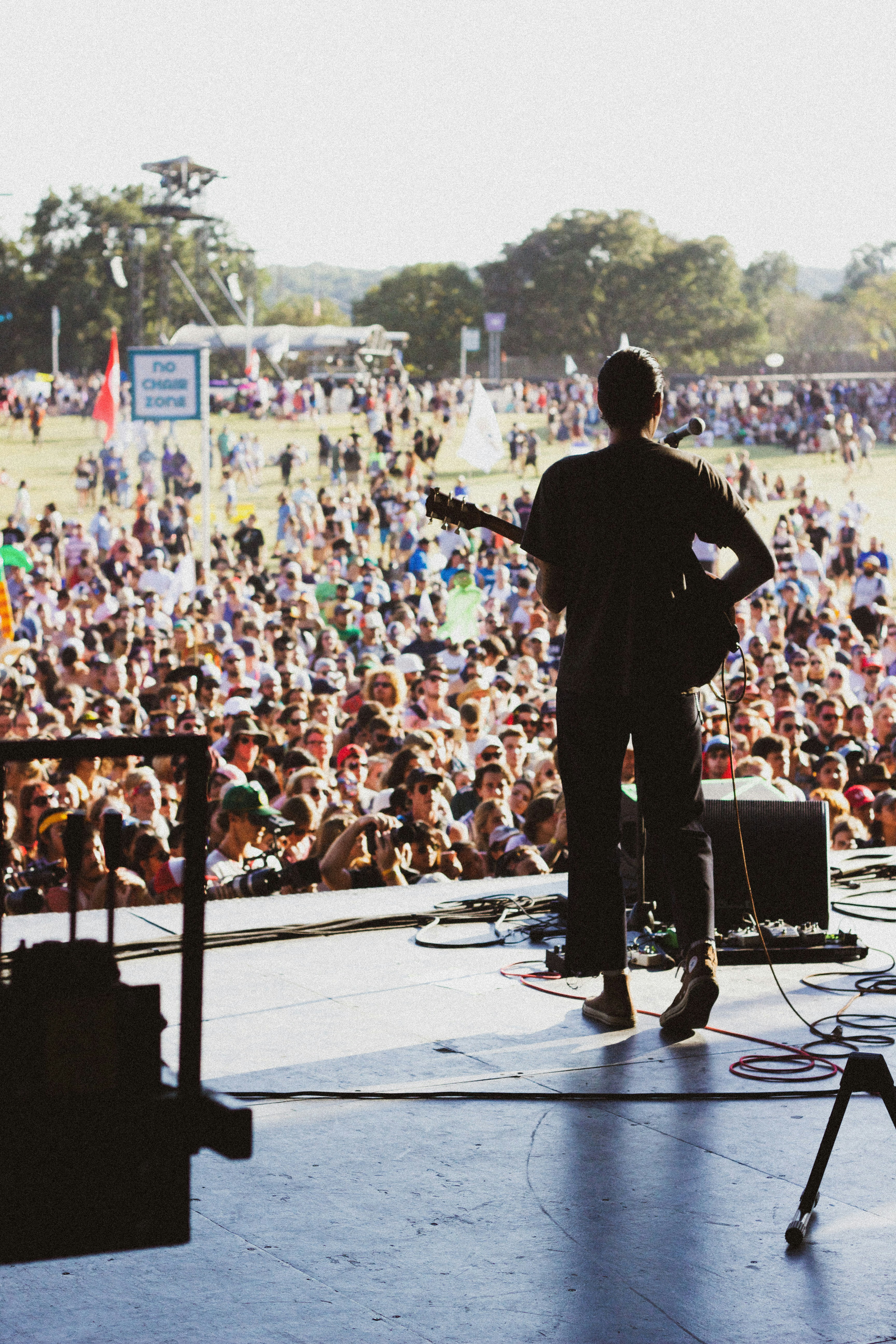
The first is building something people want to film. Chinese festival audiences are creators as much as they are attendees. A large share of the people at any major event will post about it, and what they post is whatever was interesting enough to shoot. That is a gift if you plan for it. The strongest activations we see are built as backdrops for other people's content: a set piece worth standing in front of, a room worth walking through, a giveaway that photographs well, a moment that carries the brand without needing a logo in the frame. You are not buying signage. You are supplying raw material to a few thousand people with cameras.
The second is planning for the tail. Most of the value of a live event in China arrives after it ends. Content from a strong festival weekend keeps circulating on Douyin, Xiaohongshu and WeChat for weeks, and that stretch is where the majority of the reach lives. So the useful planning question is not only what happens on site, it is what gets made on site that keeps working through the following month. Brands that brief a content plan alongside the build consistently get more out of the same budget.
The third is deciding upfront what you are measuring. Brand teams in 2026 are increasingly judged on outcomes rather than impressions, and the things they tend to want are a specific audience that is hard to reach elsewhere, data they can keep building on after the show, and content that makes them look culturally fluent. Chinese live events can deliver all three. They deliver them reliably when that is what the activation was designed around from the start.
The fourth is sizing the opportunity properly. The instinct is to go straight for the largest festivals and the biggest names, and those can absolutely work. But mid size events in second tier and third tier cities are often the better value, because the crowd is loyal, there is more room to stand out, and the local promoter has every reason to make a visiting partner look good. With nearly half of multi artist concerts now taking place in third tier cities and below, that is a wide field with a lot of room in it.
The fifth, and the one that matters most, is treating live and social as a single motion. In China they genuinely are. The artist has an audience, the event has an audience, the brand has an audience, and the work is connecting those across the platforms where Chinese fans actually spend their time. When the activation and the content plan are built together, each one makes the other worth more.
That combination is how BIG TMRW is set up. We are an international team based in China running touring and live events alongside social media growth and brand partnerships, so an activation and the content engine around it get built as one plan rather than handed between two teams.
One question is worth asking any promoter before you commit for the coming season: what will people want to film here? A good answer tells you most of what you need to know.