Live Events
Music Venues in China: How to Choose the Right Room for Your Tour

By
Percy Holtzman, Founder
07.28.26
/
4 min.
The Room Before the Arena
Ask most foreign artists what a China show looks like and they picture an arena in Shanghai. That picture is not wrong, it is just the last chapter. The acts who get there almost always played three or four other kinds of rooms first, and that climb is what made the arena possible.
China has a venue ladder, and it is worth knowing the rungs.
At the bottom are live houses. These are small clubs, usually somewhere between a hundred and a few hundred people, and they are the backbone of the touring circuit. Cities like Beijing, Shanghai, Chengdu, Wuhan and Xi'an all have well run ones with real regulars. A live house run is how you find out whether you actually have an audience in a given city or just follower counts that look nice. It is also how promoters find out whether you are worth a bigger risk next time.
Above that sit theaters and mid size halls, roughly a thousand to three thousand seats. This is where a lot of international acts do their best work in China, and where the economics start making sense without needing a sponsor to carry the show. Then come arenas, which are a different business entirely: bigger crew, longer lead times, far more capital at risk, and a marketing spend that has to start months out.
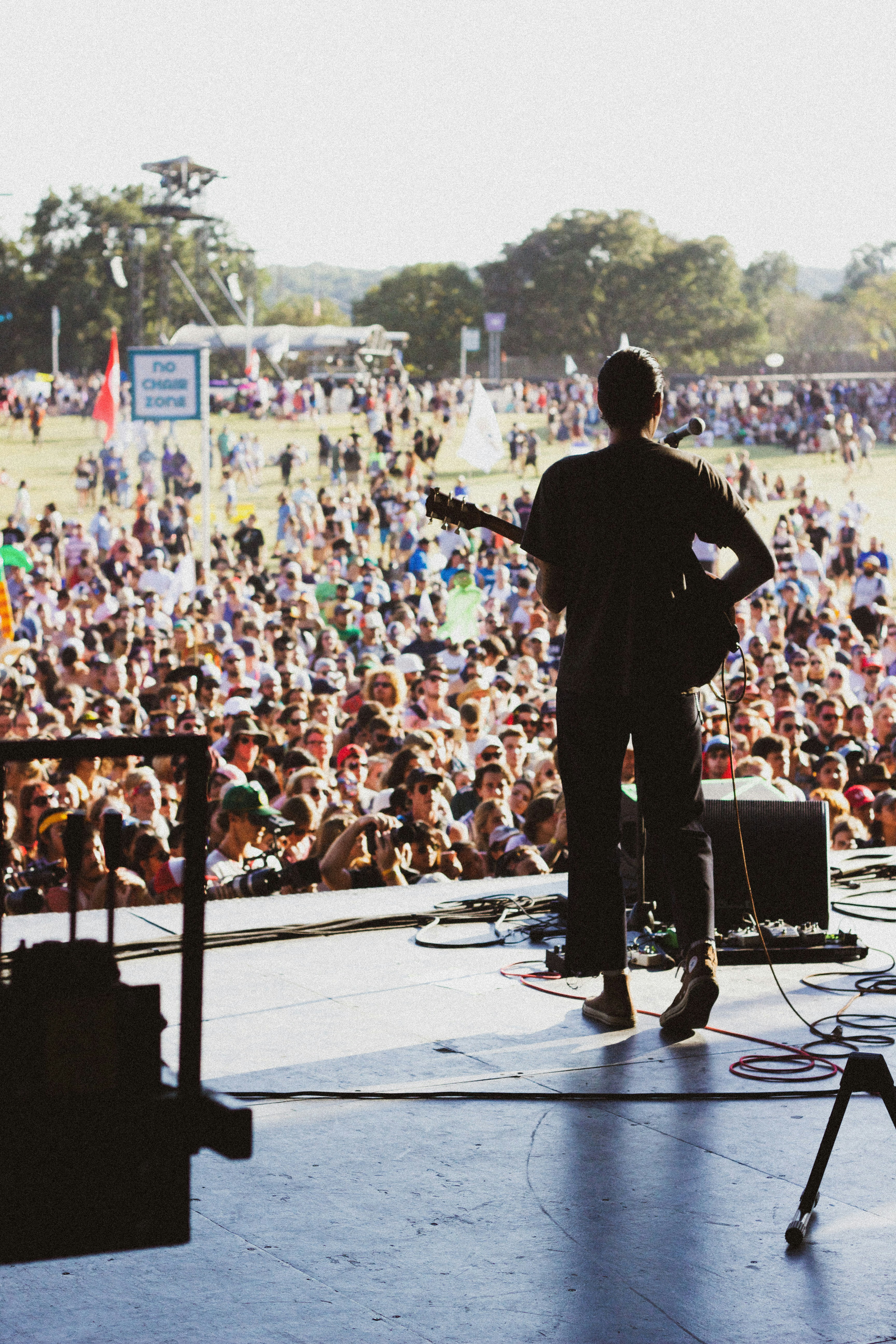
Running alongside all of it are festivals, and they matter more in China than in most markets. Overseas performers appeared at over half the country's music festivals in 2025. A festival slot puts you in front of an audience that did not come for you, which is the fastest way to build one. Strawberry Music Festival, run by Modern Sky, plays multiple cities in a season and has become a normal entry point for foreign acts.
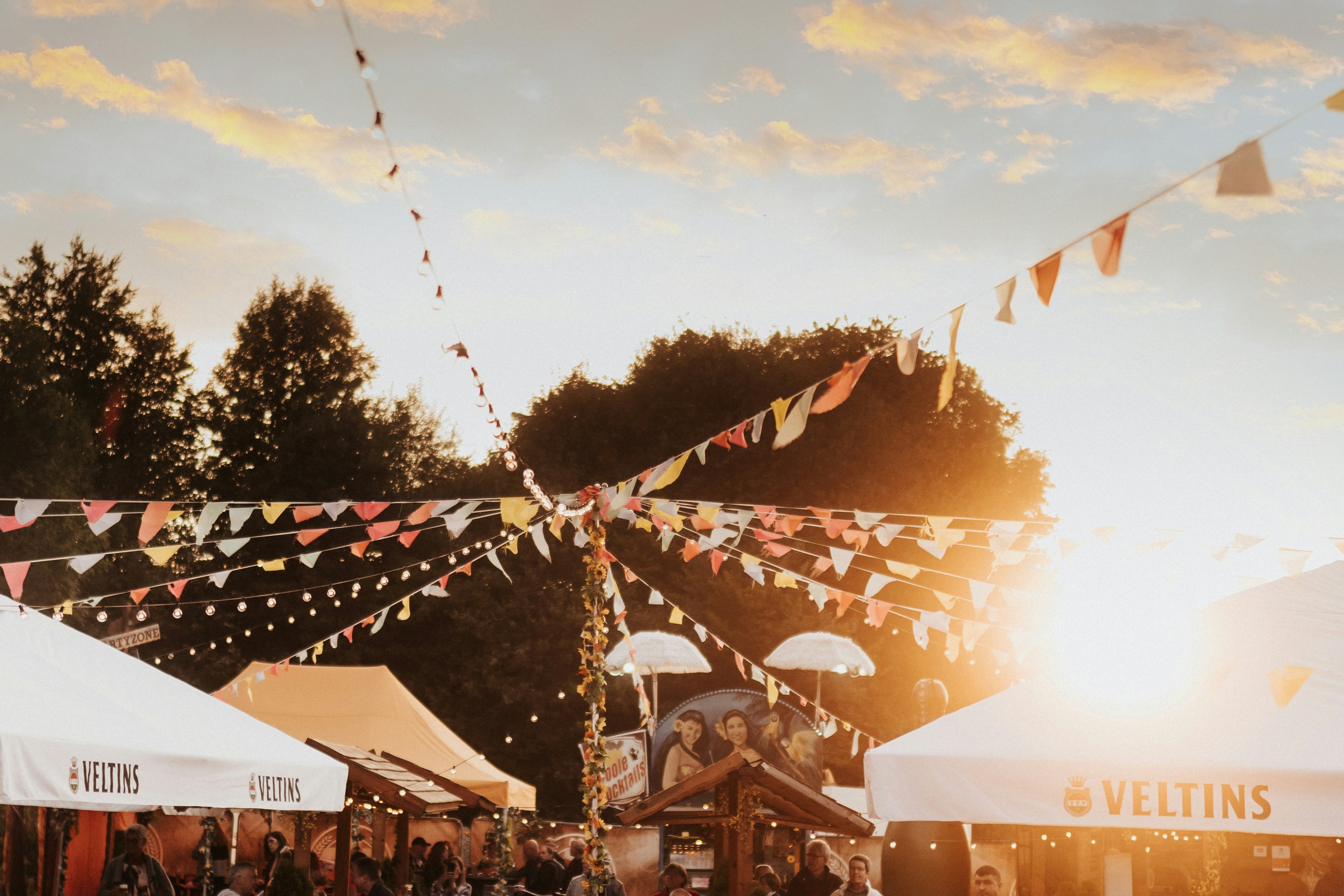
Then there is the category that surprises people. Live performance space in China has spread well beyond traditional venues into malls and commercial complexes, restaurants and themed cafes, cultural heritage sites and outdoor tourist zones. A number of these are excellent rooms with a built in audience and a host who is highly motivated to fill them. Which ones suit which act is local knowledge, not something you can read off a booking site.
The other shift worth understanding is geographic. The ladder no longer only exists in first tier cities. In 2025, 45.6 percent of multi artist concerts happened in third tier cities and below. Lower tier cities carried more than 40 percent of the country's music festivals. That means an artist can build a genuine touring base in China without ever headlining Shanghai, which was not really true a few years ago.
So how do you choose? Honestly, the answer is usually one rung lower than your ego wants. A sold out live house creates photos, video, word of mouth, and a promoter who is excited to book you again at a bigger size. Selling out small is worth more in China than almost anywhere else, because so much of what happens next is driven by social proof: clips on Douyin, notes on Xiaohongshu, the sense that something is happening.
This is the part BIG TMRW spends the most time on. We are an international team based in China, and we know which rooms in which cities suit a given act at a given moment, which promoters are the right partners for that show, and when it makes sense to move up a rung. We build the social side at the same time, so the audience is real before the deposit is paid.
Nobody remembers the size of the room you played three years ago. They remember whether it was full.
If you want a second opinion on what size room your Chinese numbers actually support, that is a short conversation, and a much better one to have before you sign than after.